
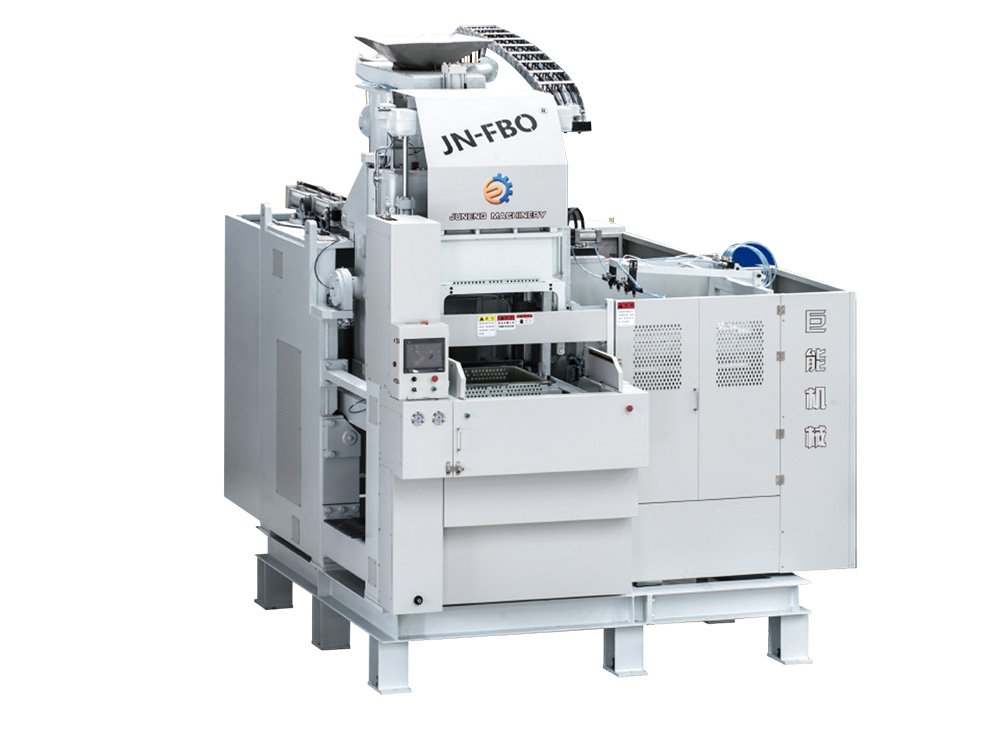
Green sand automatic foundry lines, leveraging their characteristics of high efficiency, low cost, and suitability for mass production, are primarily applied in the following fields that demand high output, low cost, and high efficiency, while having certain limitations regarding casting size, complexity, and material:
Automotive Manufacturing: This is the most core and widely applied field.
Engine Components: Cylinder blocks, cylinder heads, crankcases, oil pans, intake/exhaust manifolds, etc.
Transmission Components: Transmission housings, clutch housings, etc.
Chassis Components: Brake drums, brake caliper brackets, wheel hubs, steering gear housings, etc.
Other Structural Parts: Various brackets, supports, housings, etc.
Construction Machinery:
Components for excavators, loaders, forklifts, bulldozers, etc., such as hydraulic valve brackets, transmission housings, drive axle housings, track shoes, counterweights, etc.
Agricultural Machinery:
Engine parts, transmission housings, gearboxes, drive wheel hubs, various brackets, and housings for tractors, harvesters, and other agricultural machinery.
General Machinery & Industrial Equipment:
Pumps, Valves, Compressors: Pump bodies, valve bodies, valve covers, compressor housings, etc.
Gear Reducers: Gear reducer housings, gearboxes, etc.
Electric Motors: Motor casings, end covers, etc.
Machine Tools: Some base components, beds (small), housings, covers, etc.
Air Compressors: Cylinder blocks, crankcases, cylinder heads, etc.
Pipe Fittings & Hardware:
Various pipe connection fittings (flanges, elbows, tees, etc. – especially ductile iron).
Some basic blanks for architectural hardware and sanitary hardware (requiring subsequent machining).
Power Equipment:
Casings for small and medium-sized electric motors, bases and frames for switchgear/distribution boxes, etc.
Summary of Application Field Characteristics:
Large Batches: Requires continuous, stable production of large volumes of castings to fully leverage the efficiency advantages of automated lines.
Moderate Casting Size: Typically suitable for small to medium-sized castings (ranging from kilograms to several hundred kilograms). Use for large castings (e.g., several metric tons and above) is relatively less common due to limitations in sand strength, sand handling capacity, and molding machine capabilities.
Moderate Structural Complexity: Capable of producing castings with a certain degree of complexity. However, for extremely complex, thin-walled, deep-pocketed castings, or those requiring very high dimensional accuracy, green sand may be less advantageous compared to precision casting (e.g., investment casting) or resin sand casting.
Materials Primarily Cast Iron (Gray Iron, Ductile Iron) and Plain Carbon Steel: These are the most common materials for green sand. For special materials like stainless steel or high-alloy steels, green sand may not be the first choice due to potential issues like carburization, sulfur pickup, or higher demands on sand properties.
Cost Sensitivity: Green sand molding materials are low-cost and highly recyclable, making it one of the most cost-effective casting processes when performance requirements are met.
Key Limitations (Areas Where Less Commonly Used):
Large, Heavy Castings: E.g., large machine tool beds, marine diesel engine blocks, large hydraulic turbine blades (typically use resin sand or sodium silicate sand).
Extremely High-Precision, Complex Thin-Walled Castings: E.g., aerospace precision parts, turbine blades, complex medical devices (typically use investment casting, die casting, etc.).
Special Alloy Castings: E.g., high-alloy stainless steels, superalloys, titanium alloys (typically use precision casting or special sand molding processes).
Single-Piece, Small-Batch Production: Automated lines require significant investment and are unsuitable for small-batch production (manual molding or simple mechanized molding is more appropriate).
In conclusion, Green sand automatic foundry lines are the workhorse of modern high-volume casting production, particularly dominating the manufacturing of automotive, construction machinery, agricultural machinery, and general machinery components. They are core equipment for achieving scale, low cost, and high-efficiency production. If you are considering investing in a casting production line, these fields are undoubtedly the priority directions to consider, especially in competitive yet stable markets like automotive parts supply.
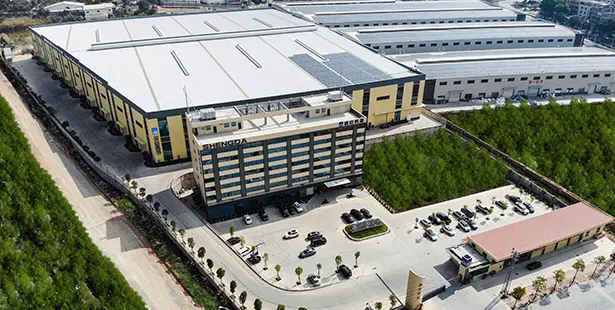
Quanzhou Juneng Machinery Co.,Ltd. is a subsidiary of Shengda Machinery Co.,Ltd. specializing in casting equipment.A high-tech R&D enterprise that has long been engaged in the development and production of casting equipment, automatic molding machines,and casting assembly lines.
If you need a Green sand automatic foundry line, you can contact us through the following contact information:
Sales Manager : zoe
E-mail : zoe@junengmachine.com
Telephone : +86 13030998585
Post time: Jan-17-2026